❋
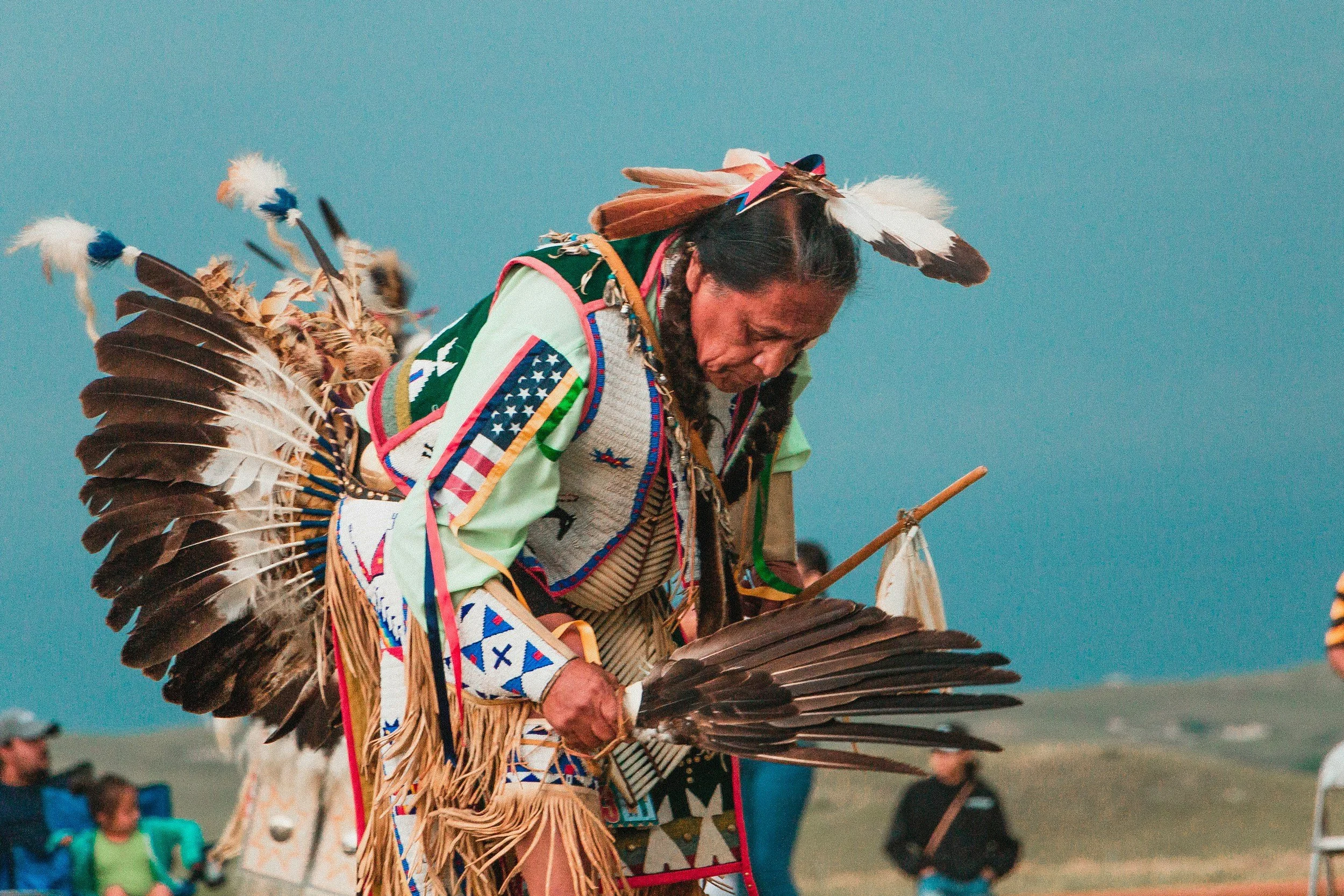
HHS/SAMHSA Native Connections: Empowering Native Youth Through Behavioral Health Support
SAMHSA’s Native Connections program helps American Indian and Alaska Native communities address youth behavioral health challenges by reducing substance misuse and suicide rates and promoting mental health and well-being for Native youth up to age 24.
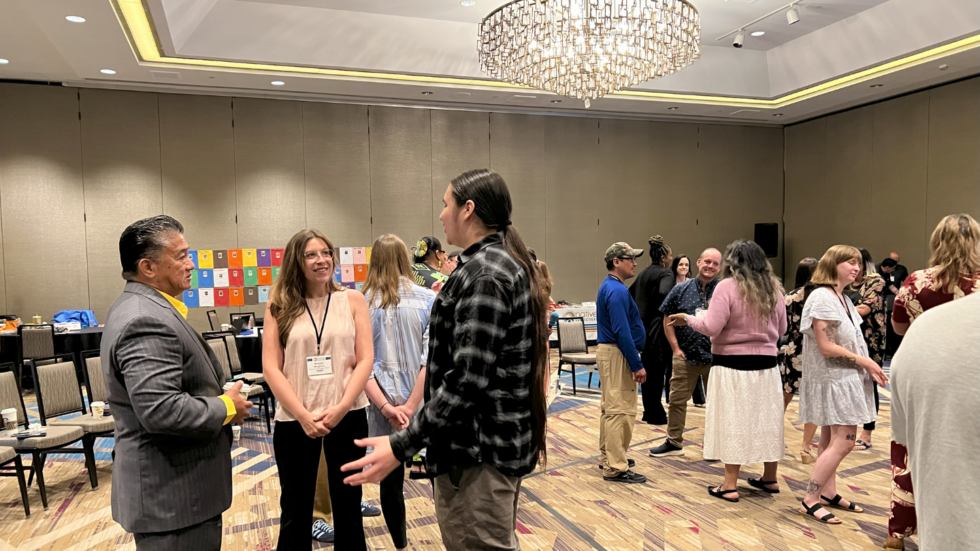
Three Star Government Solutions is proud to lead the HHS/ACF/ANA Region 3 Training and Technical Assistance (TTA) Center in Alaska. From September 2021 to April 2026, we provide culturally sensitive support to over 567 federally recognized tribes and hundreds of Native organizations. Our comprehensive approach includes pre-application assistance, grant management training, and on-site and virtual support to help Native communities secure and manage federal funding effectively. This initiative enhances community capacity and strengthens the long-term success of ANA grantees.
August 23, 2021 – August 22, 2026Project Overview
-
Stakeholders/Partners Involved: SAMHSA, Center for Mental Health Services (CMHS), Center for Substance Abuse Prevention, Native Connections grantees, AI/AN communities.
Timeline: August 23, 2021 – August 22, 2026
Resources Used: Secure training platform, virtual and in-person training, federal reporting systems.
Number of Beneficiaries: Minimum of 112 Native Connections grantees and their communities.
-
To provide training and technical assistance (TTA) to Native Connections (NC) grantees, supporting American Indian and Alaska Native (AI/AN) communities in reducing suicidal behavior and substance use among Native youth up to age 24, while easing the impacts of substance use, mental illness, and trauma in tribal communities.
-
Three Star Government Solutions (3SGS) leads the Native Connections TTA program, providing structured support to a minimum of 112 SAMHSA Native Connections grantees. The program helps grantees develop comprehensive strategies to address youth behavioral health challenges using evidence-based and culturally relevant practices. 3SGS developed and maintains a customized, user-friendly platform to house training materials and resources for stakeholders, ensuring consistent access to critical information.
Key Actions
Developed and maintained a secure platform for training and resource distribution.
Assisted grantees in creating and updating Community Systems Analyses and Community Readiness Assessments.
Supported grantees in developing and implementing Strategic Action Plans using evidence-based and culturally appropriate programming.
Provided training and materials, including webinars, podcasts, learning communities, and curricula.
Delivered tailored TTA through regular calls, site visits, and virtual support.
Monitored grantee progress and shared insights with federal staff.
Outcome
Provided ongoing TTA to a minimum of 112 Native Connections grantees.
Helped grantees develop and implement data-driven strategies to reduce youth suicide and substance misuse.
Strengthened community readiness and capacity through strategic planning and culturally appropriate practices.
Established a national learning community to foster peer sharing and collaboration among grantees.
Notable Achievements
Established a scalable training model to address suicide prevention and substance misuse.
Created a secure platform for training and resource distribution, improving access for rural grantees.
Successfully transitioned to virtual TTA during the COVID-19 pandemic without disrupting support.
Lessons Learned
Limited broadband access in rural communities required adapting to mobile-friendly platforms and phone-based support.
The shift to virtual training due to COVID-19 required specialized staff training and new engagement strategies.
Peer-to-peer learning communities strengthened engagement and solution-sharing among grantees.